Q&A with Filmmaker Cormac Fingeret, Writer-Director of See Me
See Me • New York Premiere • BFF 2026
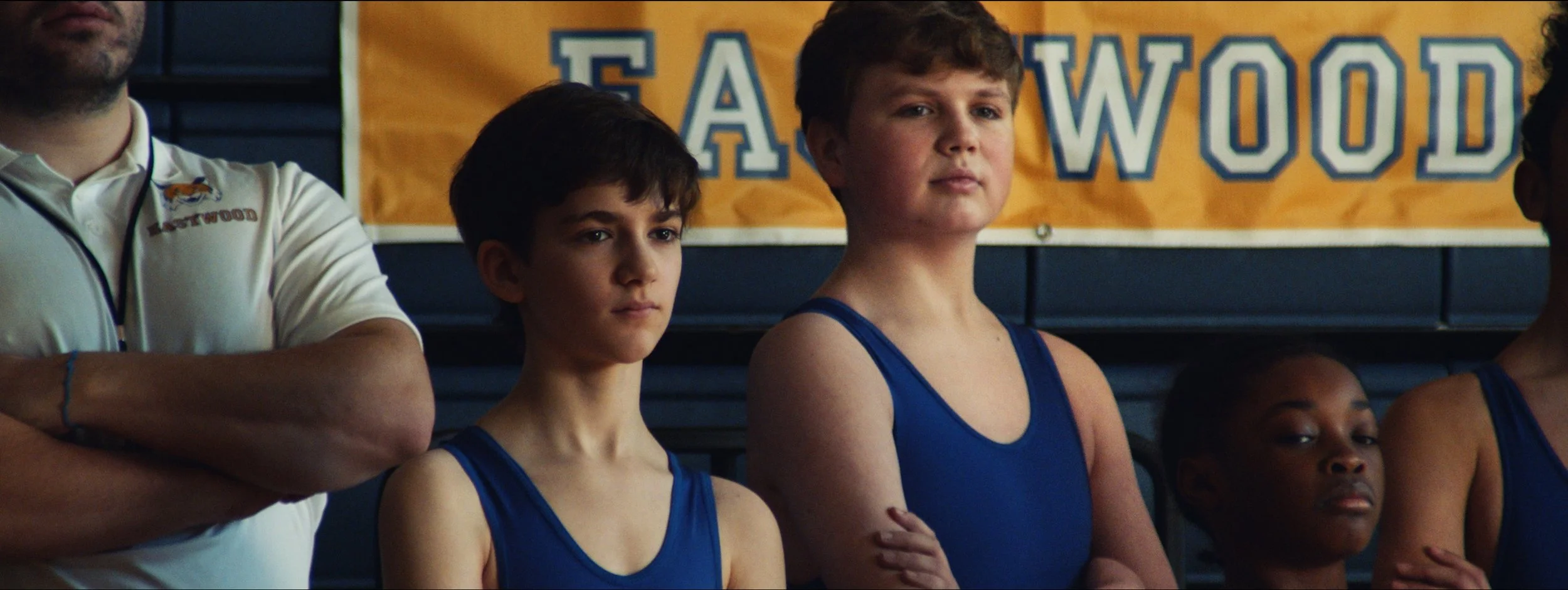
In ”See Me”, a young man named Connor moves through the eight nights of Hanukkah, reckoning with the lasting fracture of having been groomed online at twelve. The New York Premiere is a 16-minute drama that considers intimacy, memory, and the difficult work of naming harm after the fact.
Los Angeles-based writer-director Cormac Fingeret co-wrote and directed the film with a close attention to the routines, gestures, and fragile attempts at care through which trauma surfaces. He discusses the image that opened the film, the power of withholding, collaboration, and the urgent questions of online safety that shape ”See Me”.
Tell us about the moment this film began for you.
This film began when I realized I was stuck in a cycle around intimacy and commitment: I struggled to let someone in, and once they were in, struggled even more to commit, as if some part of me were protecting itself from something I could not name. I did not trace that pattern to its source until I began thinking about what my thesis film should be about. That was when the origin came into focus: online grooming during the emergence of social media, when the dangers of the internet were still poorly understood, protections for minors were nearly nonexistent, and parents remained largely unaware of what could happen to their children online. I had never understood what happened to me then as trauma. Only years later did I recognize it for what it was, and how deeply it had shaped the way I understood intimacy, trust, and the world around me.
What scene, character, image, or idea was the key that unlocked the film for you?
The key that unlocked the film was the image of Connor walking into the bathroom with Sammie, the online groomer, after being manipulated into believing it was their "safe spot." It was the first image I saw when I began asking what the film should be about, and everything else grew from it. We initially planned to include the dialogue between them inside the bathroom, but after weighing what would land hardest, we felt implication would carry more weight than the words themselves. By then, the audience had seen enough of Sammie's manipulation and Connor's need for validation to understand what is happening in that moment, making what unfolds beyond the door more powerful precisely because it is left unseen.
See Me Trailer
Why did this story feel important for you to tell now?
There are two reasons this story feels important to tell now. The first is that protections for minors online continue to lag behind the platforms themselves, leaving gaps predators can exploit as technology evolves. Stronger safeguards are necessary, including age requirements for social media like those Australia has introduced, but prevention cannot undo the harm that has already happened. The second is that my generation is the first to have lived through grooming that happens entirely through a medium that did not exist before us, and I have seen many of my peers minimize what happened to them even as it shapes unhealthy patterns in their relationships and the way they see themselves. I want the film to give language to a kind of harm that many of us experienced before we understood what it was.
What was the biggest creative challenge or risk you took in making the film?
The biggest creative risk was closing the door on the audience, choosing not to let them hear what Sammie says as he grooms Connor into inappropriate acts. We initially planned to show and hear more, but I felt that withholding the moment could be more disturbing than depicting it directly. I have always been drawn to filmmakers like Claire Denis, Denis Villeneuve, and Sean Baker, whose restraint allows what is left unsaid or unseen to carry as much weight as what is shown. The closed door became an extension of that philosophy: rather than witnessing what happens, the audience has to imagine it, and that imagination does the disturbing work no image on screen could.
Was there a point when you weren’t sure you would finish the film? What kept you going?
There was never a point when I wasn't sure I would finish the film. I am extremely driven and self-motivated, and once I commit to a project, it becomes difficult for me to think about anything else until it is done. From the day before our first shoot onward, that drive took over. So much goes into writing a script, then funding it and getting it through pre-production, that by the time we began shooting, my brain simply would not accept that the film might not cross the finish line. Even during post-production, when there was more opportunity to step away, I found myself returning to the film constantly. For better or worse, that inability to let go is what keeps me working through the long stretches when making a film stops being exciting and becomes a matter of persistence.
What surprised you most about the film as it evolved from the original idea to the finished work?
What surprised me most was how the film looked. This was the first film I directed with a modest budget—not much, but enough to give our collaborators room to create—and from the first day of production, our DP, Steven Zambon, was finding images I never could have imagined from the page alone. His knowledge, expertise, and passion transformed what Amanda Skye Acosta and I had written, and our editor, Nathaniel Stevens, and colorist, Mary Perrino, pushed it further still. By the end, the film looked like something beyond what we had pictured when we wrote it. I had always understood filmmaking as collaborative, but this was the first time I truly experienced how another artist can see possibilities in your work that you could not see yourself.
What do you hope audiences take away from experiencing the film?
What I hope audiences take away from this film is simple: be vigilant about what the young people in your life encounter online. Curiosity is one of the most beautiful qualities of childhood, but it can also make children vulnerable to people who know how to exploit it. I hope the film reminds adults to take that vulnerability seriously, while giving those who experienced something similar permission to recognize it for what it was, even if they did not have the language for it at the time. Technology will keep advancing, and our safeguards must advance with it, but so must our willingness to see, name, and confront the harm that has already happened.
Is there a particular scene or moment you’re especially excited for audiences to experience at BFF?
I am especially excited for audiences to experience the ending at BFF. Toward the second half of the time Amanda Skye Acosta and I spent writing the script, I felt the film needed a hint of surrealism. In the final episode of Nathan Fielder’s The Curse, his character begins floating into the air, and watching it, I felt a mix of confusion, awe, and sadness that I wanted our audience to experience at the end of our film. Amanda came up with the ending, which I was initially hesitant about but now believe is exactly right. I don’t want to spoil it, but it uses surrealism in a way that changes your perspective on everything that came before.
Has showing the film to audiences changed the way you understand it? If so, how?
Showing the film to audiences has changed the way I understand it, not by changing what the film means to me, but by showing me what it can do once it leaves your hands. At Q&As and a panel on parenting and generations at deadCenter Film Festival, Amanda Skye Acosta and I were asked questions by parents who genuinely wanted to understand the issue better, from what protections exist to what they could do to protect their children. Those conversations reaffirmed why we made the film, but also showed me that its impact can extend beyond the screen, into conversations that might not otherwise happen. If the film can help even one child or family recognize a danger they might otherwise miss, then everything we put into making it was worth it.
Is there anything about this film, its inspiration, production, or your own journey that you think audiences should know?
We're living through genuinely dire times: climate collapse, war, genocide, the consolidation of power in the hands of oligarchs. And yet extraordinary art is still being made in response to all of it, by people doing the difficult, necessary work of making things. Working on this film with people this talented and this committed, and then seeing what other filmmakers are making at festivals right now, gave me a kind of euphoria I hadn't felt since I played soccer, which was basically my entire life until college. That feeling comes from knowing there is real beauty available to us right now, and real beauty still ahead of us, because we still have the power to make sure humanity endures if we're willing to fight for it. I believe artists are among the most powerful people alive, because we can move people in ways that politics often can't, and being around people who are willing to make something beautiful in a difficult time made that belief feel real to me.
Based on your experience, what advice would you give to filmmakers just starting out?
This is advice I'm still working on taking myself, but: go actually experience life, do things you wouldn't normally do, say yes to any job or task someone asks of you, and go read what Werner Herzog has said about this, since he's said it better than I could. If you're going into narrative or documentary filmmaking, I think you need to go in with something to say, and it's a bonus if it's a unique perspective, even if you can't fully articulate what that is yet. There are so many films made by people with nothing to say, or with something to say that's already been said, probably better, by another film. To have something worth saying, you need to have actually lived. I understand if that feels a little distasteful coming from me right now, since it's 2:40 in the afternoon and all I've done today is sit here writing.
What are you working on or developing next?
I just finished my second feature script, ”Undersong Flames”, which I'm planning to direct myself. It's about a man who builds an AI that can reconstruct memory, but with one rule: it can only show you what someone actually witnessed. He spends the film trying to understand his father through the machine, only to discover that the very thing that makes it trustworthy is what keeps it from showing him what he most wants to see.
What film, TV show, or other piece of storytelling did you see this year that you absolutely loved?
I was torn between Ross McElwee's ”Sherman's March” (1985) and Peter Watkins's ”Punishment Park” (1971), but the latter is so bleak and enraging that I'll go with ”Sherman's March”. I'd never seen film used quite this way before: McElwee is essentially making a documentary about himself trying to make a documentary about the lingering effects of Sherman's March through the South during the Civil War, and in the process reveals how isolated and detached from real connection he actually is. He clearly yearns for love and companionship, but never quite gets there. There's a real sadness underneath the film, but it's also deeply relatable, especially for artists who use their work as a way to avoid the uncomfortable, unresolved parts of their actual lives. At points he's literally holding a film camera while having serious, searching conversations with women he's trying to seduce.
If you’ve been to Bushwick the neighborhood, what do you love most about it?
I've been to Bushwick a billion times since growing up in New York, and I love it so much. There's so much culture, texture, and complexity in the neighborhood, but what I love most are the small, multicultural bodegas. I always need at least two beverages on me at all times, and I can find the most delicious, weird drinks there, along with snacks from wherever the owner is from. The combination of the food and drinks right after emerging from the humidity of the train is a feeling I can only associate with true bliss. Heaven.
What does “Make Time for Your Dreams” mean to you at this point in your creative life?
Since graduating, I've had a lot of time to actually work toward my dreams, and I know how fortunate I am to come from a family that lets me spend an entire day screenwriting instead of having to be out working. I want to be honest that I've also applied to more jobs than I can count, with no luck yet. But I know, like all things, this in-between period is temporary, and I'll have a job soon, hopefully in the industry, and I will be tired. That's exactly why staying creative isn't just important for my dreams, but for my mental health. I know I'll need to keep making new worlds, new people, and new solutions, because creating is how I stay sane and hopeful, and how I keep believing that my dream of succeeding, in a world better than the one we have now, can remain a possibility.
See See Me at BFF 2026
NEW YORK PREMIERE
Saturday • October 10, 2026 • 5:00 PM
DADS
Williamsburg Cinemas
When his father refuses to stop reaching out, a young man groomed online at twelve must decide whether to finally let someone see what was left behind.
GET TICKETS → https://www.bushwickfilmfestival.com/tickets
The 19th Annual Bushwick Film Festival returns October 7–11, 2026, bringing filmmakers and audiences together for five days of independent film, conversation, and community across Brooklyn
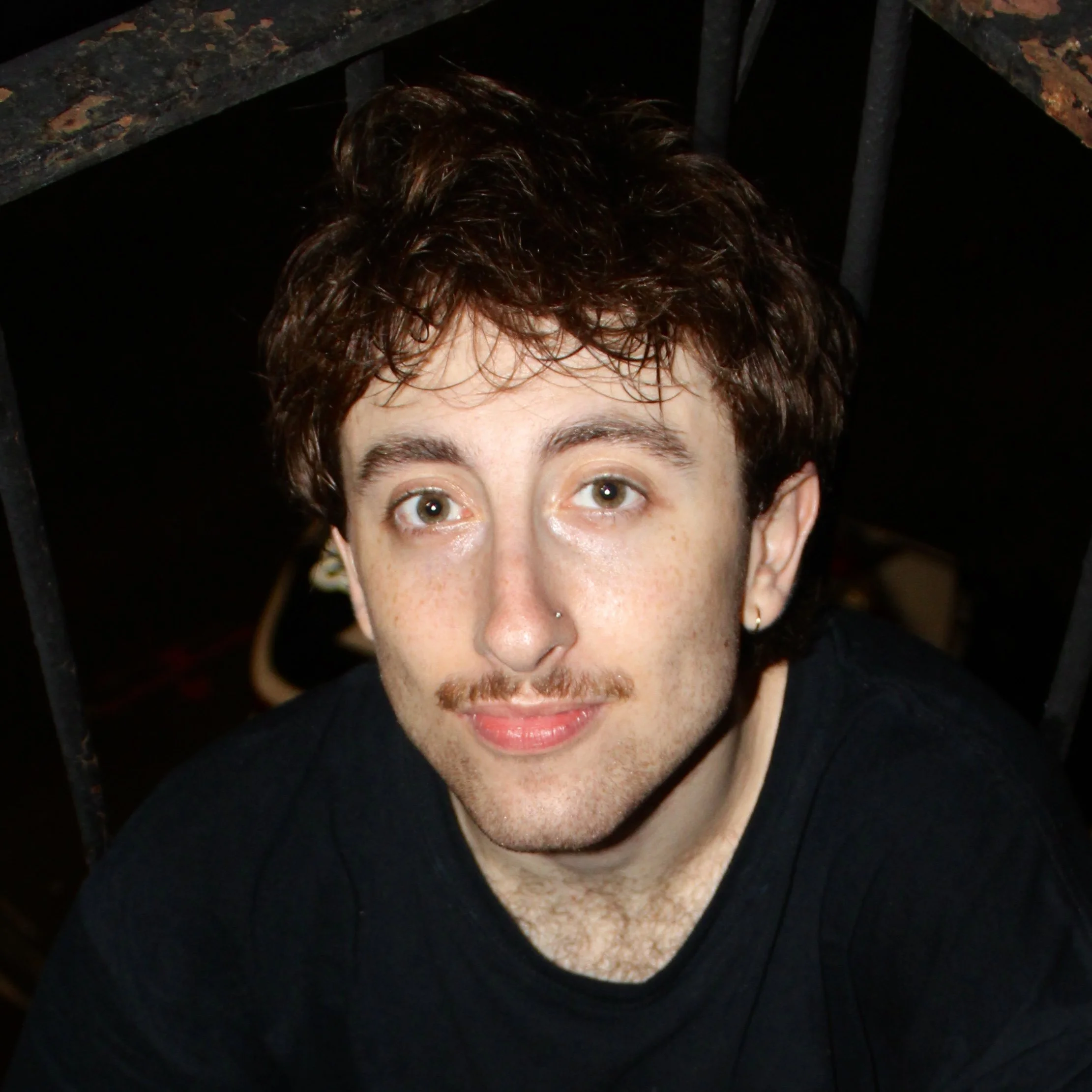
Cormac Fingeret is a Los Angeles-based writer-director drawn to how trauma reveals itself in routine, gesture, and the small ways people try to care for one another.
SEE IT AT BFF 2026
See Me
NEW YORK PREMIERE
Saturday, October 10
5:00 PM
DADS
Williamsburg Cinemas
GET TICKETS
5:00 PM
DADS
Williamsburg Cinemas
