
Q&A with SCREENWRITER Laura F. Segal, Writer of The Trauma Plot
Tell us about the moment this screenplay began for you.
I've been wrestling with trauma my whole life, and always felt that my first script would be a dark, profound and oh-so-serious meditation on human mortality. It never happened! Instead, when I decided to take a funnier and lighter spin on childhood trauma, the story came to life. I felt so much more free, and the ideas kept coming.
What scene, character, image, or idea was the key that unlocked the screenplay for you?
I have a gluten-free friend who once accused her roommate of trying to “murder” her by boiling pasta on the stove. There is a LOT there that I wanted to explore creatively...
Why did this story feel important for you to tell now?
We live in an interesting moment. While I am grateful for all the progress our society has made over the past 20 years in publicizing and destigmatizing mental health issues, I've also recently noticed that in certain circles, broadcasting mental health diagnoses (OCD, PTSD, etc.) has become almost “trendy” in its own right. Mary's childhood trauma is most certainly real, but she's also using it somewhat narcissistically, and eventually quite cruelly, as a badge of honor to lord over Zach. Ultimately, my script grapples with this fundamental question: is our society's obsession with trauma culture helping or hurting Mary?
What was the biggest creative challenge or risk you took in writing it?
Getting feedback from other writers! I'm fine by myself, working in my head, but I'm always scared to present my work to others. That said, honest feedback is the best way of improving your story and figuring out what's working/not working.
Was there a point when you weren’t sure you would finish the screenplay? What kept you going?
Is it finished? I am not even sure! There are always ways to improve my work!
What surprised you most as the screenplay evolved?
Zach. I kind of wrote him off as just this vapid cool guy, but as I developed the script, I realized there was more going on beneath the surface for him.
What do you hope audiences take away from experiencing the screenplay?
Maybe the ability to laugh in the face of tricky subject matter? And perhaps the understanding that a person can be both deeply traumatized and supremely annoying?
Is there a particular character or moment you’re especially excited to hear or see brought to life?
I'm so excited to see what an actress does with Mary. She's a complicated person, and there are so many ways to bring her to life.
Has hearing or seeing the work performed changed the way you understand it?
I've actually never heard it read aloud, so I'll let you know!
What does “Make Time for Your Dreams” mean to you at this point in your creative life?
It's everything! I've wanted to write and direct my whole life, but it wasn't until the age of 50 that I was (finally!) able to write and direct my first short film. So much was blocking me: job stress, family obligations, mental health issues, but I never lost sight of my goal. For me, “Making Time for Your Dreams” doesn't necessarily mean devoting time each day to work on your “masterpiece.” All it means is committing yourself to carving out a space—taking a walk, reading a book, doing a 10-minute meditation—where you CAN dream. Once we can dream, the magic follows, and that's where the art happens.
What are you working on or developing next?
I'm working on a few short comedies—one about female sexual dysfunction, another about a failed attempt to get present in the age of smartphones, and the last about a lesbian couple competing over who's skinnier.
Is there anything about this screenplay, its inspiration, development, or your own journey that audiences or journalists should know?
So much of what took me so long to start writing was working through childhood trauma. I was always waiting for some amazing “Hollywood Moment” in which I broke down with my therapist, resolved my past trauma, and was able to “move on” with my life. Alas, reality is more complicated than that! Healing from trauma is possible, but it's also important to accept that some past pain will never entirely “go away.” It's more about the degree to which it dominates your life.
What do you love about independent filmmaking/storytelling?
All the indie filmmakers! There's so much raw talent here. Even a lot of the super low-budget films I've seen seem more exciting and original than much of what you see in mainstream venues.
What advice would you give to writers just starting out?
Join a writing group—it will keep you on deadline, inspire you, and help you transform your ideas into reality. Also: read more! Books cultivate the imagination, and I always come up with my best ideas after reading.
What film, TV show, or other piece of storytelling did you see this year that you absolutely loved?
Monster by Hirokazu Kore-eda. The screenplay by Yuji Sakamoto was artfully constructed, subtle, and heartbreaking.
GET TICKETS → https://www.bushwickfilmfestival.com/tickets
The 19th Annual Bushwick Film Festival returns October 7–11, 2026, bringing filmmakers and audiences together for five days of independent film, conversation, and community across Brooklyn.
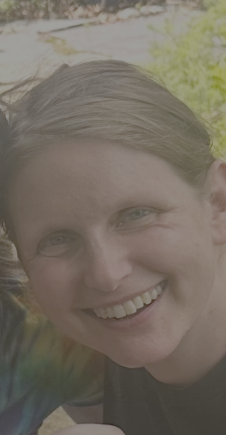
Brooklyn-based writer-director Laura F. Segal found the way into The Trauma Plot when she stopped trying to make trauma solemn and let herself approach it through comedy. Centered on Mary, a temp worker whose many sensitivities collide with an increasingly frustrated boss, the screenplay uses humor to explore the complicated ways people live with, talk about, and sometimes define themselves through past pain. Segal began writing and directing later in life, making her first short film at age 50, an experience that closely connects her work to this year's festival theme, Make Time for Your Dreams.
