Q&A with Filmmaker Ian Goldberg, Writer-Director of BEATsTABLE
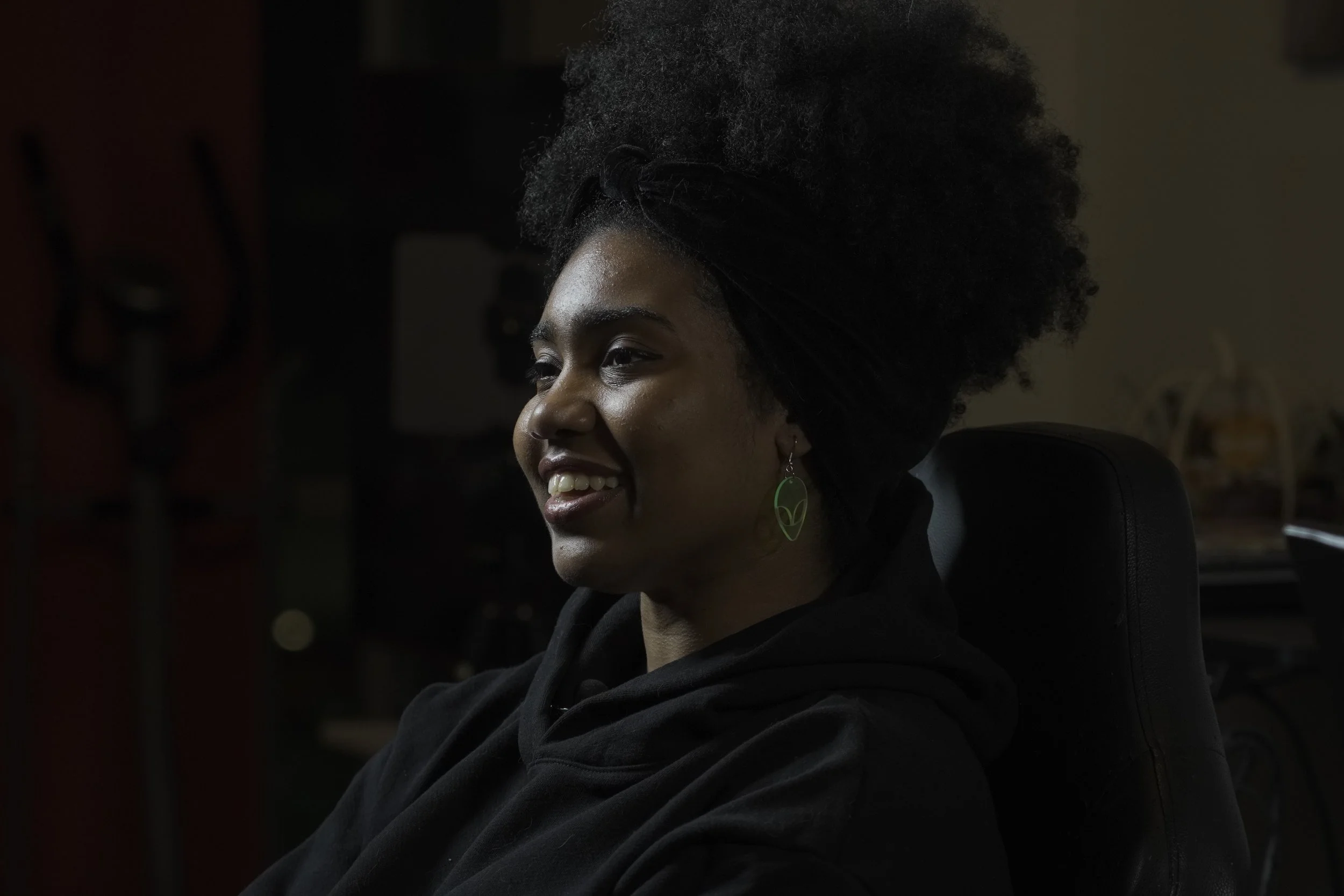
BEATsTABLE • Produced through BRIC Documentary Intensive 2025, prior cohort screening and BRIC cable broadcast Dec 2025. • BFF 2026
In BEATsTABLE, Ian Goldberg enters Brooklyn’s beat scene, where instrumental producers put the beat—not the vocalist—at center stage. Produced through the BRIC Documentary Intensive 2025 and previously screened by the cohort and broadcast on BRIC cable in December 2025, the 10-minute documentary follows artists using rhythm to hold steady through grief, family, and breakups.
A Brooklyn producer, instrumentalist, and rapper, Goldberg makes his first film from within a community he has inhabited for decades. In this conversation, he discusses the long-held idea behind BEATsTABLE, the vulnerability of its participants, the demands of making a film largely on his own, and the series he hopes to build from this first chapter.
Tell us about the moment this film began for you.
I'd had the idea for about ten years. I watched Chef's Table and thought immediately that someone needed to do this for beatmakers, with the same care and the same seriousness. But like most big things I take on, I needed something to force my hand. So I applied to the documentary cohort at BRIC Arts Media and submitted the idea, fully expecting to be rejected. I was. Then two days before the cohort started I got an email saying a slot had opened and it was mine if I wanted it. That's when it stopped being a thing I talked about.
What scene, character, image, or idea was the key that unlocked the film for you?
Shooting the scene where ZARZ talks about witnessing his mother's death. It was the first interview we did. The second he finished, the room went silent and everyone was choked up. I stopped rolling and told him two things: thank you for sharing something that personal, and if you don't want it in the film I'll cut it. These subjects are my peers and my friends before they're subjects. I knew it would make the film better, but I needed everyone to be okay with the result. He said, it's time, use it.
BEATsTABLE Trailer
Why did this story feel important for you to tell now?
It's been important to me for over ten years. I've been telling this story to anyone who would listen. The only thing that changed is that I finally got the chance to put it on screen.
What was the biggest creative challenge or risk you took in making the film?
Thirty years as an independent musician gave me a DIY reflex. In music I did everything: producing, recording, mixing, mastering, graphic design, web design, all of it. Coming to film, I approached it the same way. I produced, shot, recorded sound, lit it, color corrected, and edited. Everything except some B-roll, behind-the-scenes footage, stills, and asking the questions on camera, though I wrote them. It's a challenge I won't take on again. I learned the hard way that a crew makes a better product and preserves a level of sanity I chose to sacrifice.
Was there a point when you weren’t sure you would finish the film? What kept you going?
Every week, right before class, when I had to show footage. The cohort gave me a deadline and that deadline is the only reason this film exists. I spent countless hours editing up to the final hour, and they extended it slightly, which I needed.
What surprised you most about the film as it evolved from the original idea to the finished work?
The idea was always the personal stories behind the producers, but I wasn't sure anyone would actually be open on camera. Hip hop puts a lot of weight on appearance, bravado, and the perception of strength. I thought it might not work. Everyone poured their hearts out.
What do you hope audiences take away from experiencing the film?
That there's a scene they may not know about, where the producers take center stage. And that a lot of us make this music as therapy first. The money and the recognition come second, if they come at all.
Is there a particular scene or moment you’re especially excited for audiences to experience at BFF?
ZARZ talking about his mother.
Has showing the film to audiences changed the way you understand it? If so, how?
Yes. A heartfelt moment landed well on screen reaches everyone, whether or not they care about the music. Human stories work regardless of the context around them.
Is there anything about this film, its inspiration, production, or your own journey that you think audiences should know?
Film was my first love. I got sidetracked into thirty years of making music, and BEATsTABLE is where those two things finally met. I came to this as a rapper and producer who has lived inside this scene since the nineties, which is the only reason these guys let me in the room with a camera.
Based on your experience, what advice would you give to filmmakers just starting out?
Shoot something you're extremely passionate about. The love you have for it shows up on screen.
What are you working on or developing next?
The pilot for BEATsTABLE as a series. Six episodes, one producer each, and the first one is ZARZ. The short is the proof of concept. I'm developing the pilot now and looking for a producer to build it with.
What film, TV show, or other piece of storytelling did you see this year that you absolutely loved?
The Knicks championship run. I'm a native New Yorker and a lifelong fan, and it genuinely brought me to tears. As a story it couldn't have been scripted better. An underdog hitting real doubt going down 2-1 to Atlanta on two one-point losses, then eleven straight wins to reach the Finals for the first time in 27 years, against the same team that beat them there in 1999. A villain in Wembanyama. Then the largest comeback in Finals history in Game 4, down 29 in the third quarter and winning on a tip-in with two seconds left. An unlikely hero in Jalen Brunson, who we found out later carried the whole run on a wrist that needed surgery, and it was his shooting hand. A 53-year drought ending. And then the parade. Every element you'd want, and none of it written in advance.
If you’ve been to Bushwick the neighborhood, what do you love most about it?
Everything about it oozes creativity. The street art, the food, the venues, the people.
What does “Make Time for Your Dreams” mean to you at this point in your creative life?
I've lived this way my whole career. For better or worse, I've put the dream first, and things got sacrificed for it: jobs, friendships, time with people I cared about.
What's changed recently is that I've stopped treating the dream and the people as separate things. The people I hold close aren't a distraction from the dream, they're part of it. So I make time for them the same deliberate way I make time for a session or an edit. Work and responsibility matter, they pay for everything. But the dreams are where the happiness is.
When I was a kid in grade school, a teacher asked me what I wanted to be when I grew up. My answer?
"Happy."
I meant it then and I've been building my life around that answer ever since.
See BEATsTABLE at BFF 2026
NEW YORK PREMIERE
Saturday • October 10, 2026 • 12:00 PM
The Language of Music
Williamsburg Cinemas
Every producer's first beat was made on a table with no equipment. BEATsTABLE follows Brooklyn producers who still use the artform the same way, to stay standing through breakups, family, and loss.
GET TICKETS → https://www.bushwickfilmfestival.com/tickets
The 19th Annual Bushwick Film Festival returns October 7–11, 2026, bringing filmmakers and audiences together for five days of independent film, conversation, and community across Brooklyn
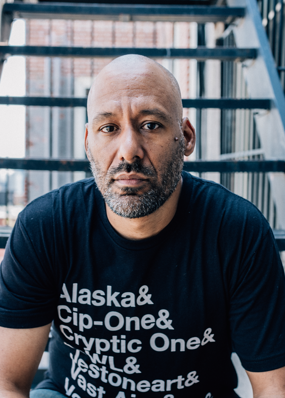
Ian "Cryptic One" Goldberg is a Brooklyn producer, instrumentalist, and rapper who has been making hip hop since the early 1990s. A member of the Atoms Family collective, he has run Centrifugal Phorce Records since releasing his first project on it in 1996, after walking away from a major label deal to stay independent.
SEE IT AT BFF 2026
BEATsTABLE
NEW YORK PREMIERE
Saturday, October 10
12:00 PM
The Language of Music
Williamsburg Cinemas
GET TICKETS
12:00 PM
The Language of Music
Williamsburg Cinemas
