Q&A with Filmmaker Naomi Eidinger, Writer-Director of MIDDLING
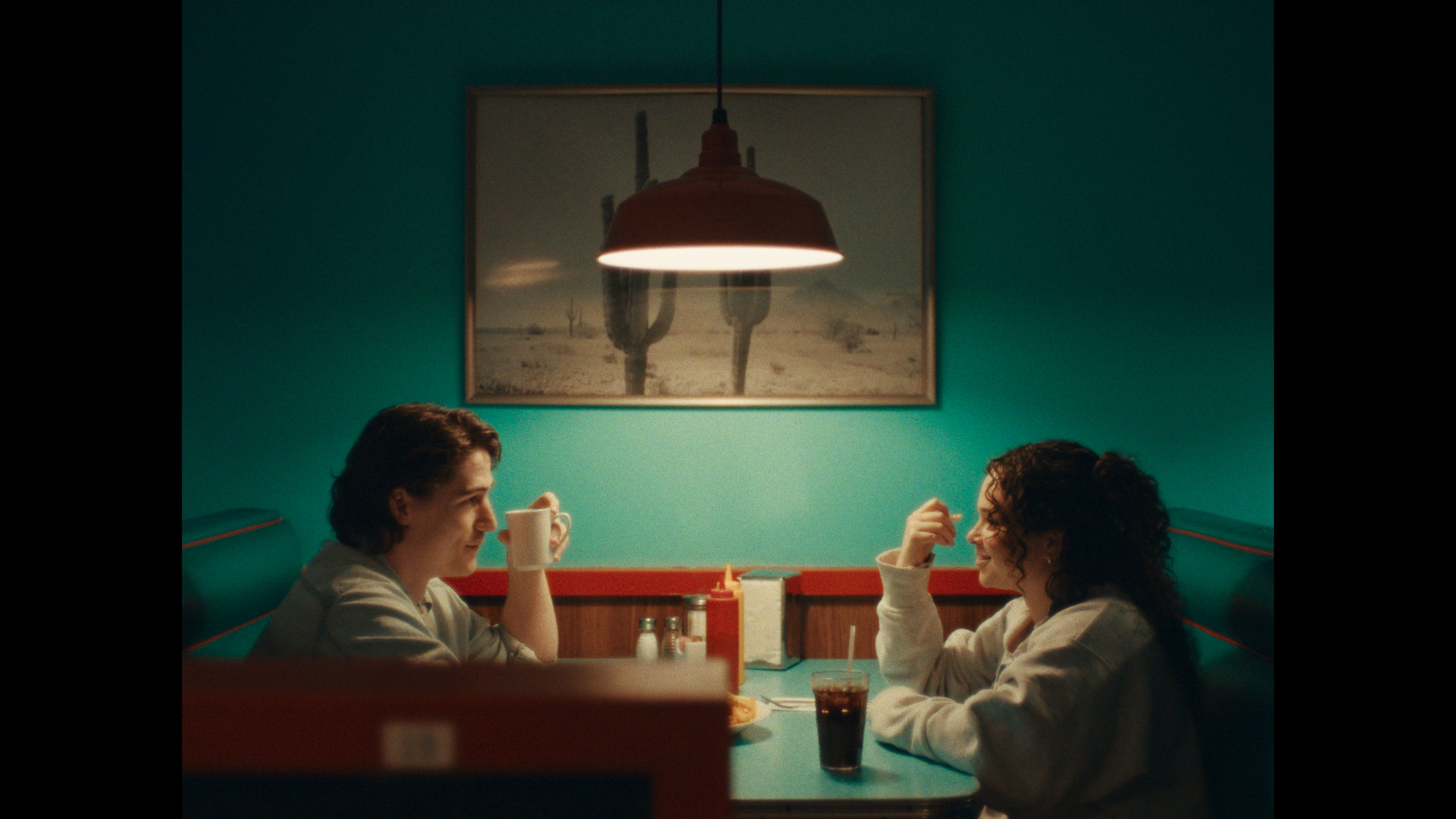
MIDDLING • NEW YORK PREMIERE • BFF 2026
A friendship that refuses easy labels sits at the center of MIDDLING, Naomi Eidinger’s comedy-drama about two grad school classmates whose connection unfolds across time, space, and mediocre diner french fries. The Canadian short makes its New York Premiere at the 19th Annual Bushwick Film Festival.
Eidinger wrote, directed, and performed in the film, drawing from her own experiences to explore intimacy, friendship, romance, and everything that happens in between. We caught up with her about the five-year journey behind MIDDLING, the creative risk of letting two people simply sit and talk, what happened when production nearly fell apart, and why sometimes the most important part of a relationship is the middle.
Tell us about the moment this film began for you.
I have been writing some version of MIDDLING in my Notes app for the past five years, following real conversations I had with the first “platonic” male friend I've ever met. Last year, when I decided that I wanted to make another short film, I realized I had all of the pieces fully fleshed out; I just needed to put them together.
What scene, character, image, or idea was the key that unlocked the film for you?
I had asked the real-life version of HIM what the exact moment was when he knew we were going to be in each other's lives. He said, simply, “when I asked you who you liked in our cohort and you said ‘no one.’”
For months and months, as I was explaining the idea of the film to people, I would quote that exchange, hum the intro of “Sleight of Hand,” and describe the cut to black. That vision is exactly what's executed in the film and works exactly the way I hoped it would.
MIDDLING Trailer
Why did this story feel important for you to tell now?
I think we're in an age of the moral black and white, where our relationships are cancelled, blocked, cut off, ghosted, etc. There seems to be a whole new level of impatience and lack of nuance for understanding others, and even less for being willing to explain yourself.
We're also in an age of verticals and sensationalism, where in order to keep our attention, every stake needs to be heightened: it feels like every movie I watch has a secret sibling, a natural disaster, a sexual assault, or all three. Long gone are the days where two people sitting with each other talking is enough to base a movie on.
When I was confronted with a relationship that compelled me to keep showing up for a situation that was beyond simple labels, I found myself wanting and needing a resolution. I tried to predict the outcome over and over again, and was surprised every time. Ultimately, the relationship evolved into something much more interesting than anything I had envisioned: getting to reap the fruit that ongoing patience, an openness to understand, and a willingness to figure it out bore.
Ultimately, I felt that we've had enough rom-coms based on cosmic beginnings and star-crossed endings—I believe audiences deserve a story all about the middle, which is where most of us find ourselves anyway.
What was the biggest creative challenge or risk you took in making the film?
The easy answer is choosing to write, direct, and act in this. But since I am at best a perfectionist and at worst an insufferable control freak who never even for a second entertained an alternative, I will say that the biggest creative risk was locking off the camera.
The heart of this movie is two people sitting in a booth and talking, and I didn't want to try and minimize or camouflage that with excessive camera movement or unorthodox angles. I think it was a risk to lean into stasis, to risk boring the audience, but I think ultimately, the film works really well because of it, and allows you to focus on the conversation and performances, which are what matter.
Was there a point when you weren’t sure you would finish the film? What kept you going?
Was there ever! After a month of prep, our lead actor got spontaneously concussed and we had to reschedule the entire shoot with 24 hours’ notice.
Ultimately, we had to recast his part, reschedule all of the shooting days, lost a bunch of money, and everything was up in the air—we felt like we had lost all of the momentum we had worked so hard to build. In the end, everything worked out exactly as it was meant to.
What surprised you most about the film as it evolved from the original idea to the finished work?
A LOT was cut. A lot a lot a lot.
What do you hope audiences take away from experiencing the film?
That the people who excite you, inspire you, and see you are worth sticking around for.
Is there a particular scene or moment you’re especially excited for audiences to experience at BFF?
The end scene.
Has showing the film to audiences changed the way you understand it? If so, how?
Yes. I come from a background that is a lot more Comedic with a capital C, and so watching the film and experiencing minute-long scenes go on without a laugh was unknown, nerve-wracking territory for me. Every time I experience it with an audience, I ease into and appreciate the ebb and flow of the Dramedy more and more.
Is there anything about this film, its inspiration, production, or your own journey that you think audiences or journalists should know?
That it's a work of auto-fiction that I wrote, directed, and acted in.
Based on your experience, what advice would you give to filmmakers just starting out?
1) Your taste level and your budget aren't going to line up for a long, long time, if ever.
2) Make stuff now to the best of your ability, and focus on making the next thing even better than making the current one perfect.
3) Trust your taste and your vision first and foremost AND decide early what you can compromise on and what you can't.
4) People can't see work that doesn't exist. Build it and they shall come.
5) For the love of God, please, PLEASE, get. out. of. your. own. way !!!!!!!!
What are you working on or developing next?
If there's an appetite for MIDDLING the feature, maybe that? If not, a short film about the complexities, anxieties, and politics of being a female director.
What film, TV show, or other piece of storytelling did you see this year that you absolutely loved?
Maddie's Secret (John Early)
If you’ve been to Bushwick the neighborhood, what do you love most about it?
La Cantine
What does “Make Time for Your Dreams” mean to you at this point in your creative life?
That if you have a tiny voice inside you urging you to make something, no matter how quiet it is, it probably means that you can, and that you should. Making time for your dreams means hyping yourself up to take the risk—of being cringe, of being perceived, of championing your own work, of making friends and enemies along the way—of trying, over and over and over and over again, knowing it will probably always feel this hard and this insignificant and this fraudulent. Once you create something other people can see, you become someone you can start to believe.
See MIDDLING at BFF 2026
NEW YORK PREMIERE
Friday • October 9, 2026 • 10:00 PM
Between Us
Williamsburg Cinemas
Two class (and soul) mates unravel across time, space, and mediocre diner french fries.
GET TICKETS → https://www.bushwickfilmfestival.com/tickets
The 19th Annual Bushwick Film Festival returns October 7–11, 2026, bringing filmmakers and audiences together for five days of independent film, conversation, and community across Brooklyn.
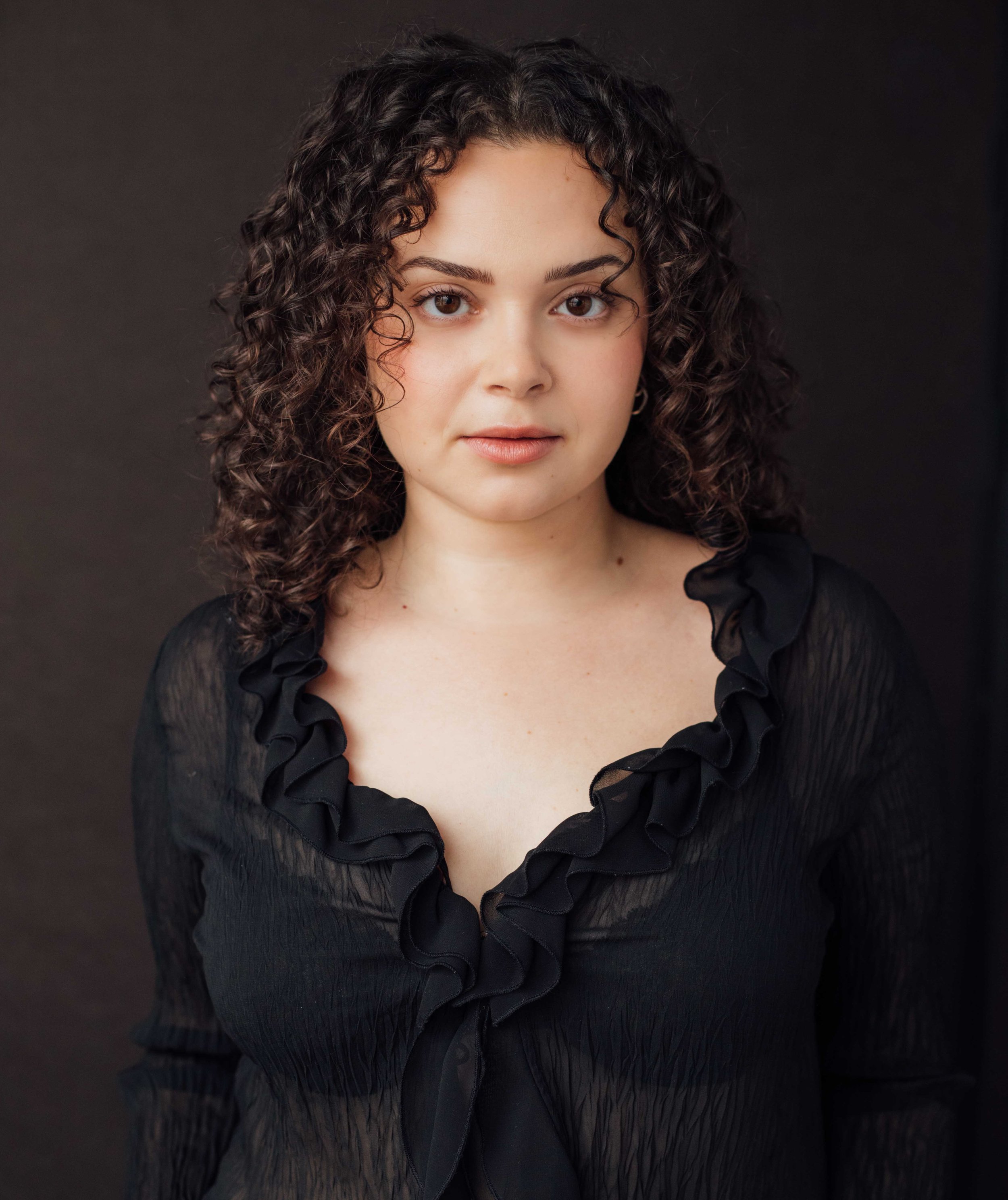
Toronto-based writer, director, and performer Naomi Eidinger was cursed by a witch the day she was born and has been “wretchedly introspective” ever since.
SEE IT AT BFF 2026
MIDDLING
NEW YORK PREMIERE
Friday, October 9
10:00 PM
Between Us
Williamsburg Cinemas
GET TICKETS
10:00 PM
Between Us
Williamsburg Cinemas
