Q&A with Filmmaker Octavio Pisano, Writer-Director-Actor of Wet Under Blue Sky
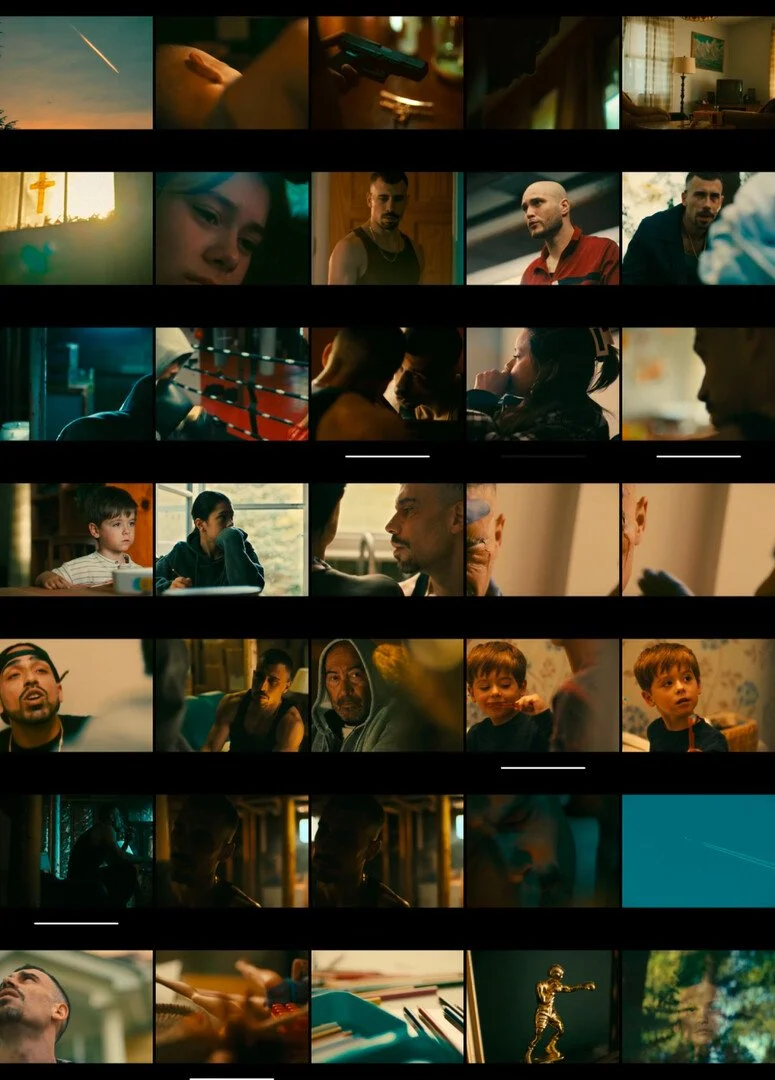
Wet Under Blue Sky • U.S. Premiere • BFF 2026
At its U.S. Premiere, Wet Under Blue Sky follows Beau Rivera, a boxer confronting the long-term consequences of a life in the ring as his sense of legacy, family, and sanity begins to fracture. What starts as a boxing story becomes a subjective meditation on memory, masculinity, identity, and the battles that remain after the fight.
Writer, director, and actor Octavio Pisano draws on a deeply personal point of origin for this haunting drama. In conversation, he reflects on grief, brain trauma, the risks of making an independent feature, and the empathy he hopes the film can invite.
Tell us about the moment this film began for you.
The film began after my grandfather passed away. He had been a boxer and later became a brain doctor, but toward the end of his life he suffered from Alzheimer’s and dementia. Around that same time, I was considering getting back in the ring myself, so I started researching the long-term consequences of boxing and sparring. I went down a rabbit hole around brain trauma, memory, and identity, and it became deeply personal. Somewhere between grieving my grandfather and confronting my own relationship with boxing, Wet Under Blue Sky began.
What scene, character, image, or idea was the key that unlocked the film for you?
Beau, our protagonist, breaking through a door, but in his mind he’s back in the ring, breaking through his opponent. That became the film in one image... the line between the fighter he believes he still is and the reality his mind can no longer fully distinguish.
Wet Under Blue Sky Trailer
Why did this story feel important for you to tell now?
Because there’s still an unspoken reluctance to confront the consequences of one of our most successful and celebrated combat sports. We love the spectacle, the courage, the mythology of the fighter... but we rarely stay for what can come afterward. Those consequences can be devastating, not only for the fighter, but for the families who live through them. I wanted to look directly at that cost.
What was the biggest creative challenge or risk you took in making the film?
The biggest risk was putting all of my savings into the film and self-funding it from beginning to end. Creatively, the biggest challenge was acting and directing while carrying such a physically and emotionally demanding role. During one of the boxing sequences, I suffered a serious spine injury that stopped production, and we had to wait nine months before I could return and finish the film. In a strange way, that experience brought me even closer to Beau... the film became something I had to fight to finish. And I'm still fighting.
Was there a point when you weren’t sure you would finish the film? What kept you going?
Pure delusion and commitment. There were definitely moments when finishing the film felt impossible, but I kept thinking about my grandfather and what it would feel like for him to watch me give up. And every time I hear another fighter or athlete speak openly about what they’ve endured, I’m reminded why the film NEEDS to exist. That keeps reigniting the fire.
What surprised you most about the film as it evolved from the original idea to the finished work?
I was surprised by how little the finished film ultimately became about boxing. Boxing was the doorway into the story, but as the film evolved, it became much more about memory, identity, family, and what happens when the thing that has defined you your entire life begins to fade away. I started wanting to make a film about the consequences of fighting and ended up making a film about what it means to lose yourself... and also how personal the film became. Somewhere along the way, the line between Beau and me started to blur, and I became much more embedded in the character than I ever expected. It also left me with an awareness of just how fragile the human mind really is... how much of who we believe ourselves to be depends on memory, perception, and a brain we often take for granted.
What do you hope audiences take away from experiencing the film?
I always intended the film to give the audience a personal, subjective experience of a deteriorating mind. My hope is that we move beyond sympathy and toward empathy and understanding. Obviously, we can never truly know what another person is experiencing internally, but I wanted to explore that space... not through statistics or medical evaluations, but through the lived experience of someone slowly losing their grasp on reality, memory, and themselves.
Is there a particular scene or moment you’re especially excited for audiences to experience at BFF?
The ending, for sure. I wouldn’t say I’m excited for audiences to experience it because it’s heavy and dark, but I hope the harder that final punch lands, the longer it stays with people. If that emotional impact can lead to greater awareness, empathy, or even conversation around what these fighters and their families can endure, then the film has done what I hoped it would do.
Has showing the film to audiences changed the way you understand it? If so, how?
Absolutely. So many people have shared stories about someone they know, or experiences from their own lives, that allowed them to relate to Beau in ways I never expected. That genuinely surprised me. It made me realize that while the film began with boxing and brain trauma, the experience of watching someone you love change... or feeling yourself change... is far more universal than I understood when I started.
Is there anything about this film, its inspiration, production, or your own journey that you think audiences or journalists should know?
I think it’s important to know that this film was made COMPLETELY independently. I self-funded it, directed it, produced it, edited some of it, and played Beau. At one point, a spine injury during production shut us down for nine months, and there were plenty of moments when finishing the film seemed impossible. This became much more than a film about boxing for me... I went all in on this film because I believed it needed to exist.
Based on your experience, what advice would you give to filmmakers just starting out?
Don’t spend beyond your limits. Get creative with what you have, and make sure the script is as strong as it can possibly be before you start shooting... it has to work as a piece on its own. And don’t feel like every film needs to be your masterpiece. Each one is going to teach you something. Finish it, learn from it, and take those lessons into the next one.
What are you working on or developing next?
I’m currently developing the feature version of a short film I made a few years ago called El Campo. It’s about a militaristic camp in Mexico where teenage boys are taken and brutally transformed into sicarios. At its heart, it’s an exploration of how violence is inherited, taught, and ultimately becomes a way of life.
What film, TV show, or other piece of storytelling did you see this year that you absolutely loved?
Sing Sing. I absolutely loved it. It felt deeply human, without ever forcing emotion. It reminded me that you don’t need spectacle to make something cinematic... you need TRUTH, specificity, and people we genuinely care about. It’s the kind of filmmaking that inspires me.
If you’ve been to Bushwick the neighborhood, what do you love most about it?
I love the energy. It feels alive... people making things, experimenting, creating. It feels like the perfect home for an independent film festival.
What does “Make Time for Your Dreams” mean to you at this point in your creative life?
There is no perfect time coming. Life will always give you reasons to wait.
See Wet Under Blue Sky at BFF 2026
U.S. PREMIERE
Friday • October 9, 2026 • 5:30 PM
Wet Under Blue Sky
Williamsburg Cinemas
The film follows a boxer struggling with the long-term consequences of a life spent in the ring. What begins as a boxing story gradually becomes something much more personal—a meditation on identity, masculinity, memory, and the battles we carry long after the fight is over.
GET TICKETS → https://www.bushwickfilmfestival.com/tickets
The 19th Annual Bushwick Film Festival returns October 7–11, 2026, bringing filmmakers and audiences together for five days of independent film, conversation, and community across Brooklyn.
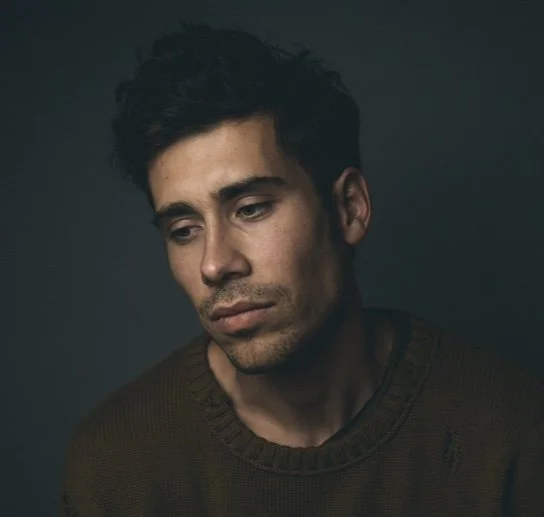
Octavio Pisano is a distinct filmmaker and actor with a unique realistic, surrealistic style. A painter and poet he draws inspiration from the Japanese philosophy of Wabi Sabi - “to see the beauty in imperfection”.
Wet Under Blue Sky
5:30 PM
Wet Under Blue Sky
Williamsburg Cinemas
